


Your second brain: how the gut microbiome shapes whole-body health
The trillions of microbes in your gut help train your immune system, make neurotransmitters, and influence mood. Here's how to feed them well.
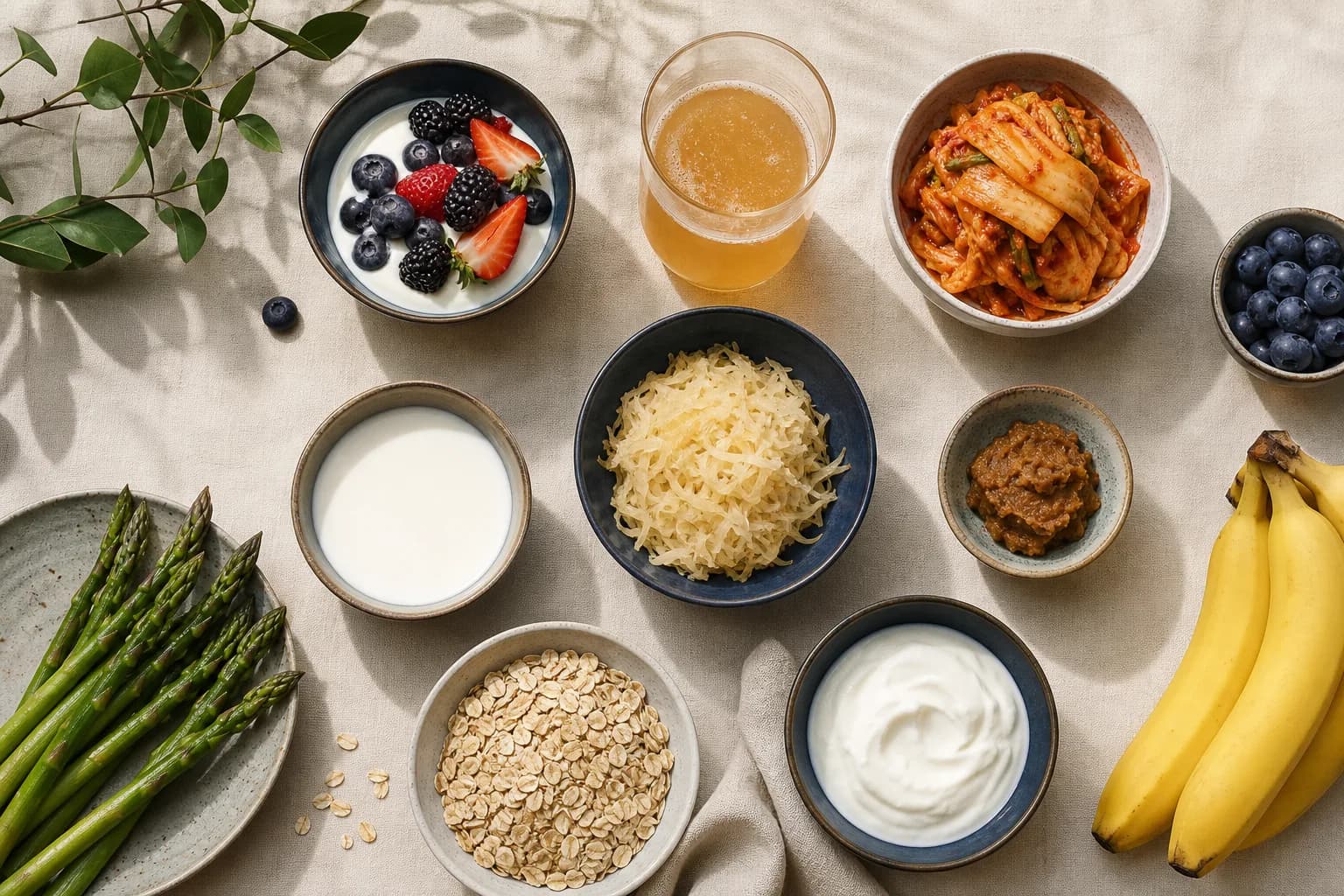
You are, by cell count, roughly as much microbe as human. The trillions of bacteria living mainly in your large intestine — collectively, the gut microbiome — do far more than digest fiber. They train your immune system, synthesize vitamins and short-chain fatty acids, and communicate with your brain along a two-way channel known as the gut-brain axis.
The gut-brain axis is not a metaphor
Your gut contains its own dense network of neurons and produces a large share of the body's serotonin. Signals travel between gut and brain via the vagus nerve, immune messengers, and microbial metabolites. This is why gut disturbances so often travel with mood and stress symptoms — and why what you feed your microbes can ripple outward.
Diversity is the real metric
The single most consistent marker of a healthy microbiome is diversity — a wide range of species. Large population studies link greater microbial diversity to better metabolic and inflammatory profiles. Diversity is built primarily by what you eat: a wide variety of plants, plenty of fiber, and fermented foods.
Feeding your microbiome
- Aim for 30+ different plant foods per week — the target linked to the most diverse microbiomes.
- Include fermented foods like yogurt, kefir, kimchi, and sauerkraut regularly.
- Prioritize fiber; it's the raw material for the short-chain fatty acids that nourish your gut lining.
- Choose a probiotic with clinically studied strains and delivery that survives stomach acid.
- Go easy on unnecessary antibiotics and heavily processed foods, which reduce diversity.
You can meaningfully reshape your microbiome in a matter of weeks. It responds faster than almost any other system in the body to a change in diet — which makes it one of the most rewarding places to invest.
References
- 1.Valdes, A. M. et al. Role of the gut microbiota in nutrition and health. The BMJ (2018).
- 2.McDonald, D. et al. American Gut: an open platform for citizen science microbiome research. mSystems (2018).
This article is for educational purposes only and is not medical advice. Talk to a qualified healthcare provider before starting any new supplement or protocol.
Keep reading
All articles
Cold, on purpose: what deliberate cold exposure actually does
The science behind why a few minutes in cold water can sharpen your mood, blunt inflammation, and train a more resilient nervous system.
NAD+ and the cell's power grid: the aging molecule you've never met
NAD+ powers the enzymes that repair your DNA and run your mitochondria — and it falls with age. Here's what the science actually supports.

Red light therapy, explained: how photons reach your mitochondria
Photobiomodulation sounds like science fiction, but the mechanism is well defined. Here's how specific wavelengths of light affect skin, muscle, and cells.