


Red light therapy, explained: how photons reach your mitochondria
Photobiomodulation sounds like science fiction, but the mechanism is well defined. Here's how specific wavelengths of light affect skin, muscle, and cells.
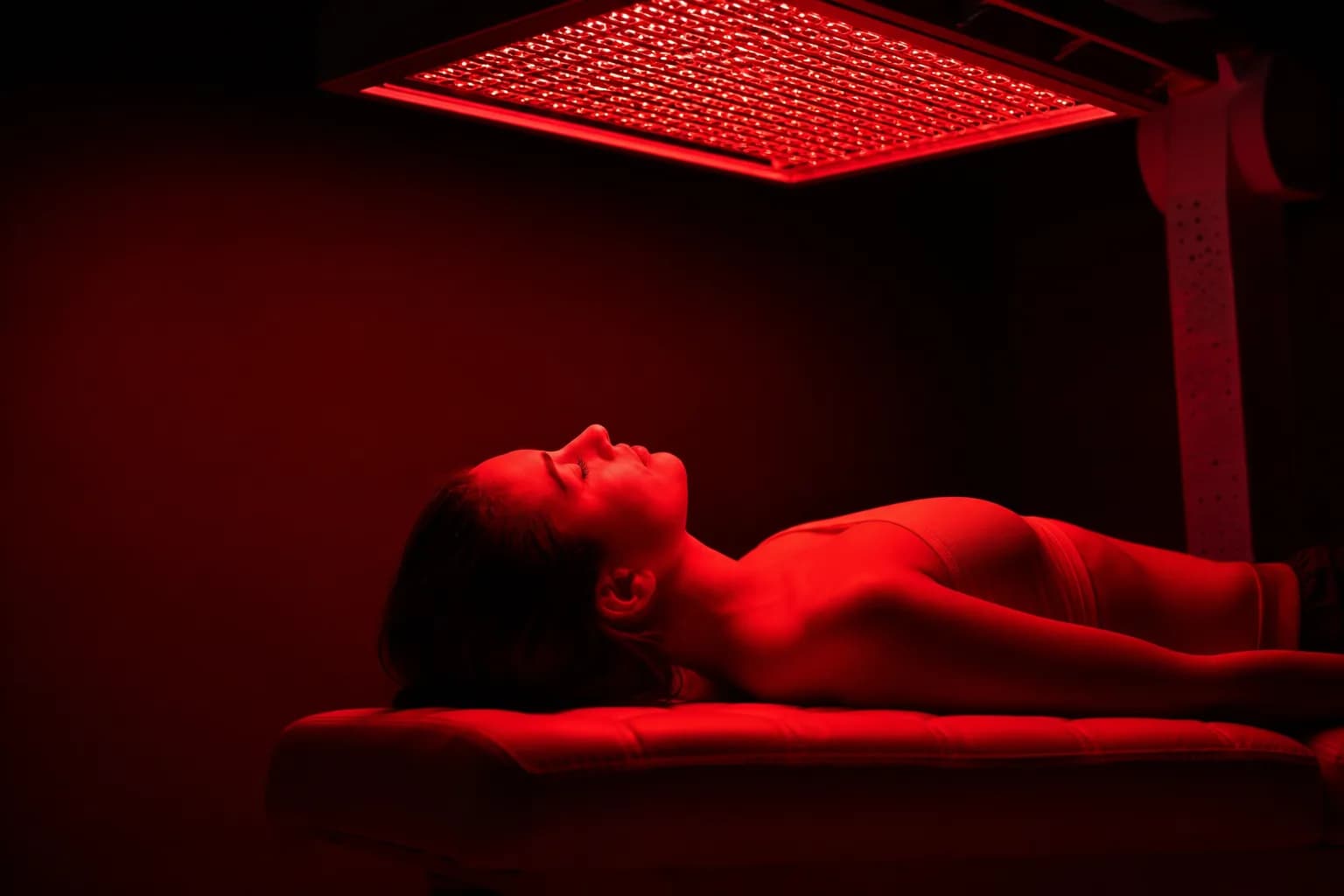
Red light therapy — clinically, photobiomodulation — is the use of red and near-infrared light to influence how cells behave. It is painless, non-thermal, and increasingly common in dermatology clinics and recovery rooms. The idea that light could do anything metabolic sounds far-fetched until you look at where the light actually lands.
The mitochondrial mechanism
The leading explanation centers on an enzyme called cytochrome c oxidase, part of the mitochondrial energy chain. Red (around 660 nm) and near-infrared (around 850 nm) light are absorbed by this enzyme, which appears to briefly boost its activity and increase ATP production. Downstream, this modulates reactive oxygen species and signaling molecules in ways that can reduce inflammation and support tissue repair.
Where the evidence is strongest
Skin is the most studied target. Randomized work shows red-light treatment can improve skin complexion, boost collagen density, and reduce fine lines versus untreated controls. There is also reasonable evidence for reduced muscle fatigue and faster recovery when light is applied around exercise, and a growing literature on wound healing and joint comfort.
Using it well
- Keep the target area 6–12 inches from a quality panel and expose bare skin.
- Sessions of 10–20 minutes, most days, are the typical evidence-based range.
- Consistency over weeks is what produces visible skin and recovery changes.
- Protect your eyes from direct high-intensity exposure.
Red light is not a cure-all, and marketing often outruns the data. But the core mechanism is real, the safety profile is excellent, and for skin quality and recovery it is one of the better-supported at-home tools available.
References
- 1.Hamblin, M. R. Mechanisms and applications of the anti-inflammatory effects of photobiomodulation. AIMS Biophysics (2017).
- 2.Wunsch, A. & Matuschka, K. A controlled trial to determine the efficacy of red and near-infrared light treatment. Photomedicine and Laser Surgery (2014).
This article is for educational purposes only and is not medical advice. Talk to a qualified healthcare provider before starting any new supplement or protocol.
Keep reading
All articles
Cold, on purpose: what deliberate cold exposure actually does
The science behind why a few minutes in cold water can sharpen your mood, blunt inflammation, and train a more resilient nervous system.
NAD+ and the cell's power grid: the aging molecule you've never met
NAD+ powers the enzymes that repair your DNA and run your mitochondria — and it falls with age. Here's what the science actually supports.
The science of better sleep: circadian rhythm, melatonin, and rest that restores
Sleep isn't downtime — it's when your brain clears waste and consolidates memory. Here's what the research says about falling asleep faster and waking rested.